Items filtered by date: July 2024
Common Causes of Cracked Heels
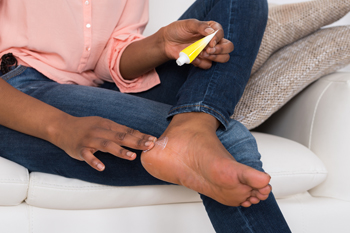
Cracked heels, also known as heel fissures, occur when the skin on the bottom of the heel becomes dry, hard, and thickened, sometimes forming painful splits. Common causes of cracked heels can include prolonged standing, wearing open-heeled footwear, and skin conditions like eczema or psoriasis. Surprisingly, athlete’s foot, which is a fungal infection, is another frequent cause, leading to dry, itchy, and fissured skin on the heels. If moisturizers and antifungal treatments do not resolve the issue, it could be indicative of an underlying health problem such as hypothyroidism, diabetes, or even bone spurs. A podiatrist can provide a thorough examination to diagnose the root cause of problematic cracked heels. If you have cracked heels or fissures, it is suggested that you schedule an appointment with this type of doctor for an exam and treatment solutions.
If the skin on your feet starts to crack, you may want to see a podiatrist to find treatment. If you have any concerns, contact one of our podiatrists from Centers for Foot & Ankle Care. Our doctors can provide the care you need to keep you pain-free and on your feet.
Cracked Heels
It is important to moisturize your cracked heels in order to prevent pain, bleeding, and infection. The reason cracked heels form is because the skin on the foot is too dry to support the immense pressure placed on them. When the foot expands, the dry skin on the foot begins to split.
Ways to Help Heal Them
- Invest in a good foot cream
- Try Using Petroleum Jelly
- Ease up on Soaps
- Drink Plenty of Water
Ways to Prevent Cracked Heels
- Moisturize After Showering
- Skip a Shower
- Keep Shower Water Lukewarm
- Don’t Scrub Your Feet
If you are unsure how to proceed in treating cracked heels, seek guidance from a podiatrist. Your doctor will help you with any questions or information you may need.
If you have any questions, please feel free to contact one of our offices located in Merrillville, Portage, Michigan City/LaPorte, and Schererville, IN . We offer the newest diagnostic and treatment technologies for all your foot care needs.
Types of Broken Toes and Relief Options
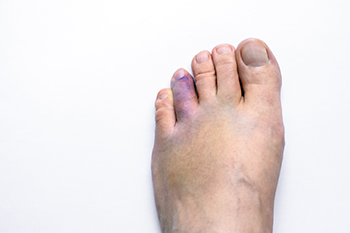
Diagnosing a broken toe involves recognizing symptoms such as intense pain, swelling, bruising, and difficulty walking. Types of toe fractures include stress fractures, where small cracks form from repetitive stress, and traumatic fractures, resulting from a direct blow or impact. A doctor will perform a physical examination and may order X-rays to confirm the diagnosis and determine the fracture type. Relief options for a broken toe include rest and elevation to reduce swelling and pain. Depending on the type of fracture, buddy-taping the injured toe to an adjacent toe may provide support and alignment during healing. Wearing stiff-soled shoes can protect the toe and ease walking. In severe cases, a cast or surgery may be necessary to ensure proper healing. If you have fractured your toe, it is suggested that you consult a podiatrist who can guide you toward a comprehensive treatment plan.
Broken toes may cause a lot of pain and should be treated as soon as possible. If you have any concerns about your feet, contact one of our podiatrists from Centers for Foot & Ankle Care. Our doctors will treat your foot and ankle needs.
What Is a Broken Toe?
A broken toe occurs when one or more of the toe bones of the foot are broken after an injury. Injuries such as stubbing your toe or dropping a heavy object on it may cause a toe fracture.
Symptoms of a Broken Toe
- Swelling
- Pain (with/without wearing shoes)
- Stiffness
- Nail Injury
Although the injured toe should be monitored daily, it is especially important to have a podiatrist look at your toe if you have severe symptoms. Some of these symptoms include worsening or new pain that is not relieved with medication, sores, redness, or open wounds near the toe.
If you have any questions, please feel free to contact one of our offices located in Merrillville, Portage, Michigan City/LaPorte, and Schererville, IN . We offer the newest diagnostic and treatment technologies for all your foot care needs.
The Importance of Understanding Ankle Pain
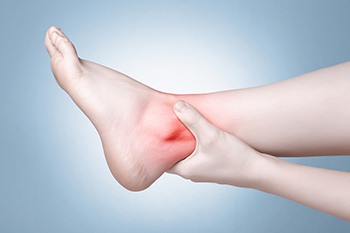
Ankle pain can range from mild discomfort to debilitating agony, often hindering mobility and affecting daily activities. Common symptoms include swelling, stiffness, and difficulty bearing weight on the affected ankle. Causes can vary from sprains and fractures to conditions like arthritis or tendonitis. Podiatrists specialize in diagnosing and treating ankle conditions. They can order diagnostic imaging, like X-rays or MRIs, to assess the extent of injury or identify any underlying conditions. Visiting a podiatrist is suggested to obtain a thorough evaluation and personalized treatment plan for ankle pain, promoting recovery and preventing future complications.
Ankle pain can have many different causes and the pain may potentially be serious. If you have ankle pain, consult with one of our podiatrists from Centers for Foot & Ankle Care. Our doctors will assess your condition and provide you with quality foot and ankle treatment.
Ankle pain is any condition that causes pain in the ankle. Due to the fact that the ankle consists of tendons, muscles, bones, and ligaments, ankle pain can come from a number of different conditions.
Causes
The most common causes of ankle pain include:
- Types of arthritis (rheumatoid, osteoarthritis, and gout)
- Ankle sprains
- Broken ankles
- Achilles tendinitis
- Achilles tendon rupture
- Stress fractures
- Tarsal tunnel syndrome
- Plantar fasciitis
Symptoms
Symptoms of ankle injury vary based upon the condition. Pain may include general pain and discomfort, swelling, aching, redness, bruising, burning or stabbing sensations, and/or loss of sensation.
Diagnosis
Due to the wide variety of potential causes of ankle pain, podiatrists will utilize a number of different methods to properly diagnose ankle pain. This can include asking for personal and family medical histories and of any recent injuries. Further diagnosis may include sensation tests, a physical examination, and potentially x-rays or other imaging tests.
Treatment
Just as the range of causes varies widely, so do treatments. Some more common treatments are rest, ice packs, keeping pressure off the foot, orthotics and braces, medication for inflammation and pain, and surgery.
If you have any questions, please feel free to contact one of our offices located in Merrillville, Portage, Michigan City/LaPorte, and Schererville, IN . We offer the newest diagnostic and treatment technologies for all your foot care needs.
Why Live with Pain and Numbness in Your Feet?

Suffering from this type of pain? You may have the foot condition known as Morton's neuroma. Morton's neuroma may develop as a result of ill-fitting footwear and existing foot deformities. We can help.
Ways to Avoid Falling at Home
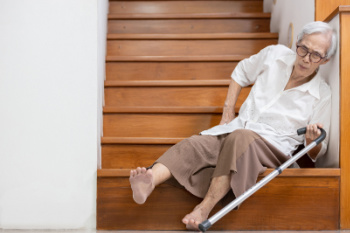
Falls can happen in an instant, often resulting from a trip on a rug or a slip on a wet floor. For older adults, these incidents can lead to serious medical complications. Every year, emergency rooms treat 3 million older individuals for fall-related injuries. Reports show that one out of five falls causes significant harm such as broken bones or head injuries. Age-related changes like reduced bone density, slower reaction times, and balance issues increase the likelihood of injury from falls. To reduce the risk, it is essential to safety-proof the home environment. Begin by ensuring that the bed height allows feet to rest flat on the floor. Use a bed cane for assistance and keep a walker nearby. Remove clutter from floors and stairs, clear pathways, and eliminate throw rugs. Install grab bars in bathrooms and railings on stairways for added support. Update lighting by replacing bulbs with brighter ones and adding nightlights in critical areas. Finally, check footwear to ensure that your shoes fit properly, are comfortable, and provide adequate support. A podiatrist can offer valuable advice on proper footwear and foot health to help prevent falls. If you are experiencing frequent falls at home, it is suggested that you make an appointment with a podiatrist for an exam and treatment options.
Preventing falls among the elderly is very important. If you are older and have fallen or fear that you are prone to falling, consult with one of our podiatrists from Centers for Foot & Ankle Care. Our doctors will assess your condition and provide you with quality advice and care.
Every 11 seconds, an elderly American is being treated in an emergency room for a fall related injury. Falls are the leading cause of head and hip injuries for those 65 and older. Due to decreases in strength, balance, senses, and lack of awareness, elderly persons are very susceptible to falling. Thankfully, there are a number of things older persons can do to prevent falls.
How to Prevent Falls
Some effective methods that older persons can do to prevent falls include:
- Enrolling in strength and balance exercise program to increase balance and strength
- Periodically having your sight and hearing checked
- Discuss any medications you have with a doctor to see if it increases the risk of falling
- Clearing the house of falling hazards and installing devices like grab bars and railings
- Utilizing a walker or cane
- Wearing shoes that provide good support and cushioning
- Talking to family members about falling and increasing awareness
Falling can be a traumatic and embarrassing experience for elderly persons; this can make them less willing to leave the house, and less willing to talk to someone about their fears of falling. Doing such things, however, will increase the likelihood of tripping or losing one’s balance. Knowing the causes of falling and how to prevent them is the best way to mitigate the risk of serious injury.
If you have any questions, please feel free to contact one of our offices located in Merrillville, Portage, Michigan City/LaPorte, and Schererville, IN . We offer the newest diagnostic and treatment technologies for all your foot care needs.
How to Prevent Athlete’s Foot
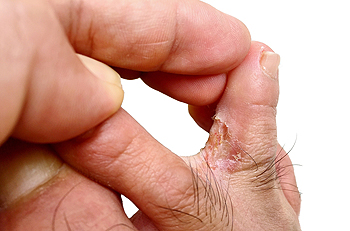 Tinea, or fungal foot infections, commonly known as athlete's foot, occur when fungi thrive in warm, moist environments, such as between the toes. These infections are extremely contagious, spreading through direct contact with infected skin or surfaces like locker room floors and swimming pools. Individuals at a higher risk include athletes, those with compromised immune systems, and people who frequently wear tight, non-breathable footwear. Symptoms include itching, burning, and peeling skin, often accompanied by redness and blisters. To prevent tinea, it is important to keep feet clean and dry, especially between the toes. It is helpful to wear breathable shoes and moisture-wicking socks, change socks regularly, and use antifungal powders. Avoid walking barefoot in public places and ensure shoes fit properly to reduce risk. In persistent cases, prescription medications may be necessary. If you have developed athlete's foot, it is strongly suggested that you visit a podiatrist for proper management.
Athlete’s Foot
Athlete’s foot is often an uncomfortable condition to experience. Thankfully, podiatrists specialize in treating athlete’s foot and offer the best treatment options. If you have any questions about athlete’s foot, consult with one of our podiatrists from Centers for Foot & Ankle Care. Our doctors will assess your condition and provide you with quality treatment.
What Is Athlete’s Foot?
Tinea pedis, more commonly known as athlete’s foot, is a non-serious and common fungal infection of the foot. Athlete’s foot is contagious and can be contracted by touching someone who has it or infected surfaces. The most common places contaminated by it are public showers, locker rooms, and swimming pools. Once contracted, it grows on feet that are left inside moist, dark, and warm shoes and socks.
Prevention
The most effective ways to prevent athlete’s foot include:
- Thoroughly washing and drying feet
- Avoid going barefoot in locker rooms and public showers
- Using shower shoes in public showers
- Wearing socks that allow the feet to breathe
- Changing socks and shoes frequently if you sweat a lot
Symptoms
Athlete’s foot initially occurs as a rash between the toes. However, if left undiagnosed, it can spread to the sides and bottom of the feet, toenails, and if touched by hand, the hands themselves. Symptoms include:
- Redness
- Burning
- Itching
- Scaly and peeling skin
Diagnosis and Treatment
Diagnosis is quick and easy. Skin samples will be taken and either viewed under a microscope or sent to a lab for testing. Sometimes, a podiatrist can diagnose it based on simply looking at it. Once confirmed, treatment options include oral and topical antifungal medications.
If you have any questions, please feel free to contact one of our offices located in Merrillville, Portage, Michigan City/LaPorte, and Schererville, IN . We offer the newest diagnostic and treatment technologies for all your foot care needs.
