Items filtered by date: January 2025
Laser Treatment for Toenail Fungus
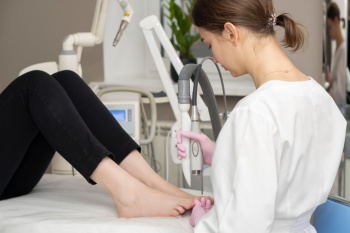
Toenail fungus, also known as onychomycosis, causes nails to become thickened, discolored, and brittle. Laser treatment is a modern approach that uses concentrated light to target the fungus beneath the nail. The aim is to halt the growth of the fungus and promote healthier nails over time. This non-invasive treatment typically involves little to no discomfort, with most patients resuming normal activities immediately after a session. Results of laser toenail treatment may take several months to appear due to the slow regrowth of toenails. Multiple sessions may be necessary, as the effectiveness can vary based on the type of laser used and the severity of the infection. Laser toenail therapy also offers an alternative for people who cannot tolerate oral medications or who prefer to avoid their potential side effects. A podiatrist can evaluate the condition of your nails, recommend appropriate treatment options, and monitor your progress throughout the process. If you have developed a toenail fungus, it is suggested that you make an appointment with a podiatrist for an exam and to find out if laser toenail treatment is best for you.
If left untreated, toenail fungus may spread to other toenails, skin, or even fingernails. If you suspect you have toenail fungus it is important to seek treatment right away. For more information about treatment, contact one of our podiatrists of Centers for Foot & Ankle Care. Our doctors can provide the care you need to keep you pain-free and on your feet.
Symptoms
- Warped or oddly shaped nails
- Yellowish nails
- Loose/separated nail
- Buildup of bits and pieces of nail fragments under the nail
- Brittle, broken, thickened nail
Treatment
If self-care strategies and over-the-counter medications does not help your fungus, your podiatrist may give you a prescription drug instead. Even if you find relief from your toenail fungus symptoms, you may experience a repeat infection in the future.
Prevention
In order to prevent getting toenail fungus in the future, you should always make sure to wash your feet with soap and water. After washing, it is important to dry your feet thoroughly especially in between the toes. When trimming your toenails, be sure to trim straight across instead of in a rounded shape. It is crucial not to cover up discolored nails with nail polish because that will prevent your nail from being able to “breathe”.
In some cases, surgical procedure may be needed to remove the toenail fungus. Consult with your podiatrist about the best treatment options for your case of toenail fungus.
If you have any questions, please feel free to contact one of our offices located in Merrillville, Portage, Michigan City/LaPorte, and Schererville, IN . We offer the newest diagnostic and treatment technologies for all your foot care needs.
How Foot Pain Interferes With Comfortable Living

Foot pain can stem from various conditions, including plantar fasciitis, bunions, flat feet, arthritis, or injuries like sprains and fractures. Even seemingly minor discomfort can significantly impact daily activities, affecting mobility, balance, and overall quality of life. Chronic foot pain may also lead to compensation issues, causing pain in the knees, hips, or back. Ignoring persistent pain can worsen underlying conditions, making treatment more complex. Addressing foot pain begins with identifying the cause. Rest, proper footwear, and targeted stretching exercises can help in mild cases. Custom orthotics or surgical intervention may be necessary for persistent or severe pain. Early intervention is key to preventing long-term complications. If foot pain disrupts your routine, it is suggested that you consult a podiatrist for an accurate diagnosis and an effective treatment plan tailored to your needs.
Foot Pain
Foot pain can be extremely painful and debilitating. If you have a foot pain, consult with one of our podiatrists from Centers for Foot & Ankle Care. Our doctors will assess your condition and provide you with quality foot and ankle treatment.
Causes
Foot pain is a very broad condition that could be caused by one or more ailments. The most common include:
- Bunions
- Hammertoes
- Plantar Fasciitis
- Bone Spurs
- Corns
- Tarsal Tunnel Syndrome
- Ingrown Toenails
- Arthritis (such as Gout, Rheumatoid, and Osteoarthritis)
- Flat Feet
- Injury (from stress fractures, broken toe, foot, ankle, Achilles tendon ruptures, and sprains)
- And more
Diagnosis
To figure out the cause of foot pain, podiatrists utilize several different methods. This can range from simple visual inspections and sensation tests to X-rays and MRI scans. Prior medical history, family medical history, and any recent physical traumatic events will all be taken into consideration for a proper diagnosis.
Treatment
Treatment depends upon the cause of the foot pain. Whether it is resting, staying off the foot, or having surgery; podiatrists have a number of treatment options available for foot pain.
If you have any questions, please feel free to contact one of our offices located in Merrillville, Portage, Michigan City/LaPorte, and Schererville, IN . We offer the newest diagnostic and treatment technologies for all your foot care needs.
Treating Diabetic Foot Ulcers
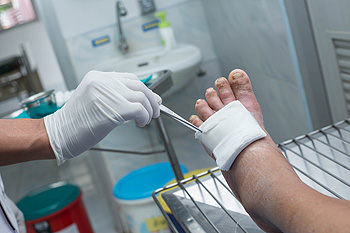
Diabetic foot ulcers can be a significant complication for people with diabetes due to reduced sensation and poor circulation in the feet. These ulcers often develop from minor injuries or pressure points that go unnoticed, as decreased nerve function can mask pain, and poor circulation inhibits healing. A podiatrist plays an essential role in diagnosing and managing foot ulcers to prevent serious infections. Treatment typically includes debridement, which involves removing dead or infected tissue to clean the wound and stimulate recovery. A podiatrist will also assess the depth and severity of the ulcer, ensuring that no foreign materials are present. Protective measures, such as specialized footwear or casts, may be recommended to reduce pressure on the affected area. Regular wound care, including cleaning and dressing changes, further supports recovery. Maintaining controlled blood sugar levels is vital, as it aids in faster healing and reduces the risk of infection. If you have foot ulcers as a result of diabetes, it is suggested that you schedule regular appointments with a podiatrist.
Diabetic foot care is important in preventing foot ailments such as ulcers. If you are suffering from diabetes or have any other concerns about your feet, contact one of our podiatrists from Centers for Foot & Ankle Care. Our doctors can provide the care you need to keep you pain-free and on your feet.
Diabetic Foot Care
Diabetes affects millions of people every year. The condition can damage blood vessels in many parts of the body, especially the feet. Because of this, taking care of your feet is essential if you have diabetes, and having a podiatrist help monitor your foot health is highly recommended.
The Importance of Caring for Your Feet
- Routinely inspect your feet for bruises or sores.
- Wear socks that fit your feet comfortably.
- Wear comfortable shoes that provide adequate support.
Patients with diabetes should have their doctor monitor their blood levels, as blood sugar levels play such a huge role in diabetic care. Monitoring these levels on a regular basis is highly advised.
It is always best to inform your healthcare professional of any concerns you may have regarding your feet, especially for diabetic patients. Early treatment and routine foot examinations are keys to maintaining proper health, especially because severe complications can arise if proper treatment is not applied.
If you have any questions please feel free to contact one of our offices located in Merrillville, Portage, Michigan City/LaPorte, and Schererville, IN . We offer the newest diagnostic and treatment technologies for all your foot and ankle needs.
Do You Suffer From Painful Feet?

Painful deformities, such as hammertoes, can be treated. Stop living with foot pain, and have beautiful feet again!
The Importance of Barefoot Walking for Kids

Barefoot walking offers many advantages for children, particularly in helping them develop essential skills for movement and coordination. By walking without shoes, children strengthen the muscles and tendons in their feet, which supports their ability to walk properly as they grow. The natural movement of the feet also promotes better alignment of the body, which can lead to improved posture. In addition to the physical benefits, barefoot walking supports brain and nervous system development. The soles of the feet are rich in sensory receptors that help send signals to the brain, enhancing sensory processing and motor function. This sensory feedback helps children improve their balance, coordination, and spatial awareness, contributing to cognitive development. If you would like to learn about additional benefits from having your child walk barefoot, it is suggested that you contact a podiatrist who can monitor your child’s foot health, and discuss whether this is a viable option for your lifestyle.
The health of a child’s feet is vital to their overall well-being. If you have any questions regarding foot health, contact one of our podiatrists of Centers for Foot & Ankle Care. Our doctors can provide the care you need to keep you pain-free and on your feet.
Tips for Keeping Children's Feet Healthy
- Make sure their shoes fit properly
- Look for any signs of in-toeing or out-toeing
- Check to see if they have Clubfoot (condition that affects your child’s foot and ankle, twisting the heel and toes inward) which is one of the most common nonmajor birth defects.
- Lightly cover your baby’s feet (Tight covers may keep your baby from moving their feet freely, and could prevent normal development)
- Allow your toddler to go shoeless (Shoes can be restricting for a young child’s foot)
- Cut toenails straight across to avoid ingrown toenails
- Keep your child’s foot clean and dry
- Cover cuts and scrapes. Wash any scratches with soap and water and cover them with a bandage until they’ve healed.
If you have any questions, please feel free to contact one of our offices located in Merrillville, Portage, Michigan City/LaPorte, and Schererville, IN . We offer the newest diagnostic and treatment technologies for all your foot care needs.
