Blog

Causes of Swollen Feet and Ankles

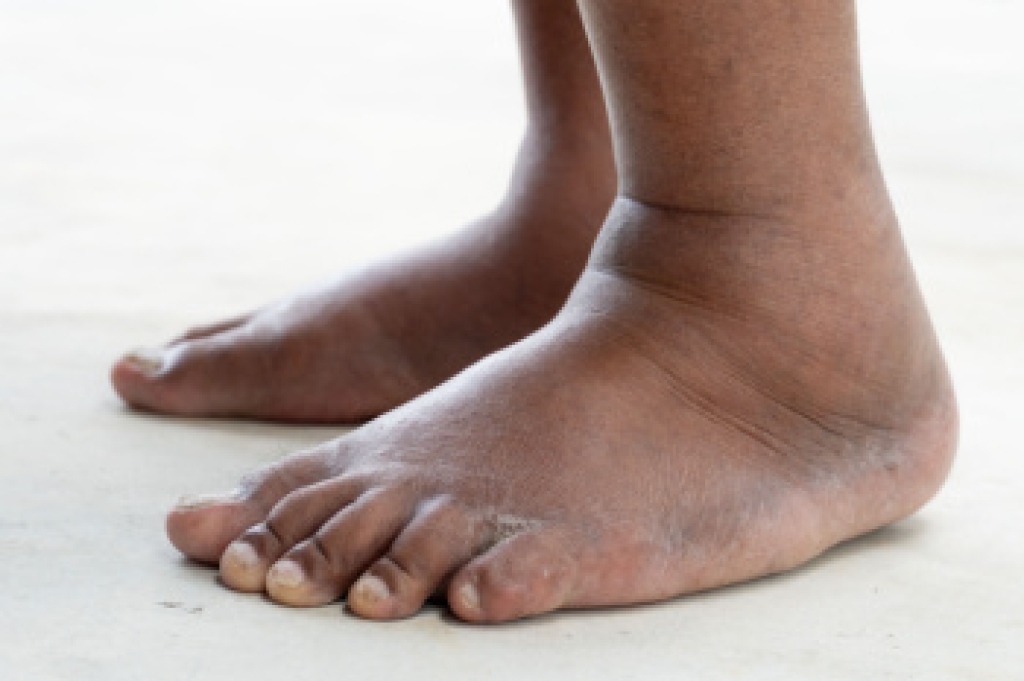
Swollen feet and ankles can develop from several underlying causes. Cardiovascular conditions may affect circulation and lead to fluid buildup, while hormonal changes can increase fluid retention in the body. Certain medications and infections may also trigger swelling and discomfort. Symptoms include puffiness, tight skin, and reduced mobility. Risk factors include prolonged standing, limited movement, excess weight, and aging. Edema may signal a deeper issue that requires attention. A podiatrist can evaluate the cause, recommend treatment, and improve comfort. If you have swollen feet or ankles, it is suggested that you consult a podiatrist who can determine the reason why and offer effective treatment solutions.

Swollen feet can be a sign of an underlying condition. If you have any concerns, contact one of our podiatrists of Centers for Foot & Ankle Care. Our doctors can provide the care you need to keep you pain-free and on your feet.

Swollen feet are a common ailment among pregnant women and people who stand or sit for extended periods. Aging may increase the possibility of swollen feet and patients who are obese often notice when their feet are swelling too. There may be medical reasons why swollen feet occur:

  • Phlebitis - A condition that causes the veins to become inflamed and can also cause leg pain.
  • Liver disease - This may lead to low blood levels of albumin which is a protein. This can cause fluid in the blood to pass into the tissues and several areas of the body can become swollen.
  • Heart failure - When the heart doesn’t pump properly the blood that is normally pumped back to the heart can pool in the veins of the legs causing swollen feet.
  • Kidney disease - One of the main functions of the kidneys is releasing excess fluid in the body. This type of condition can make it difficult for the kidneys to function properly, and as a result the feet may become swollen.
  • Deep-vein thrombosis (DVT)- This is a serious condition where blood clots form in the veins of the legs. They can block the return of blood from the legs to the heart which may cause the feet to swell. It is important to be treated by a podiatrist if this condition is present.

Swollen feet can also be caused by bone and tendon conditions, including fractures, arthritis, and tendinitis. Additionally, there may be skin and toenail conditions and an infection may cause the feet to swell. Patients who take medicine to treat high blood pressure may be prone to getting swollen feet. 

Many patients elevate their feet to help relieve the swelling and this is generally a temporary remedy. When a podiatrist is consulted the reason behind the swelling can be uncovered and subsequently treated.

If you have any questions please contact one of our offices located in Merrillville, Portage, Michigan City/LaPorte, and Schererville, IN . We offer the newest diagnostic and treatment technologies for all your foot and ankle needs.
Read more about Swelling of the Feet

When Rheumatoid Arthritis Affects the Feet

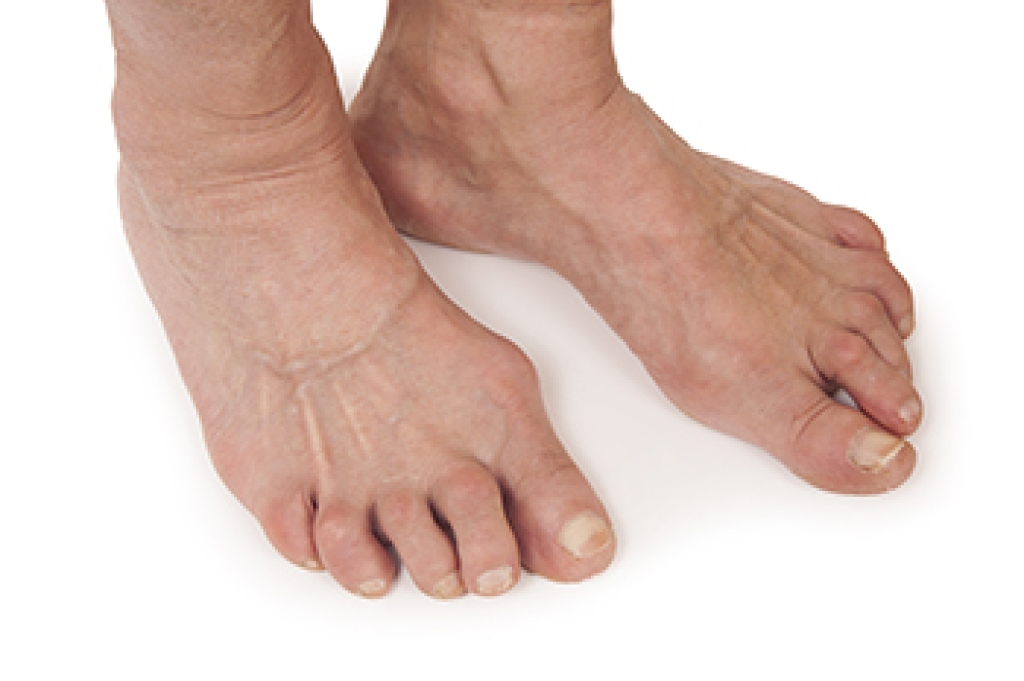
Rheumatoid arthritis is an inflammatory condition that can significantly affect the joints of the feet and ankles. Because each foot contains many small joints, this disease often causes pain, stiffness, and swelling in the toes and the front of the foot. Many patients notice morning stiffness that improves slowly as the day progresses. The joints may appear swollen or warm, and over time the toes can shift out of their normal position, sometimes creating bunions or hammertoes. Walking may become uncomfortable as pressure points develop on the ball of the foot. Rheumatoid arthritis occurs when the immune system mistakenly attacks the lining of the joints, leading to ongoing inflammation and joint damage. A podiatrist can help identify how the condition is affecting the feet through examination and imaging when needed. Treatment may include supportive footwear, custom orthotics, protective padding, and targeted exercises to maintain joint mobility. If you have rheumatoid arthritis affecting your feet, it is suggested that you make an appointment with a podiatrist.

Because RA affects more than just your joints, including the joints in your feet and ankles, it is important to seek early diagnosis from your podiatrist if you feel like the pain in your feet might be caused by RA. For more information, contact one of our podiatrists of Centers for Foot & Ankle Care. Our doctors will assist you with all of your podiatric concerns.

What Is Rheumatoid Arthritis?

Rheumatoid Arthritis (RA) is an autoimmune disorder in which the body’s own immune system attacks the membranes surrounding the joints. Inflammation of the lining and eventually the destruction of the joint’s cartilage and bone occur, causing severe pain and immobility.

Rheumatoid Arthritis of the Feet

Although RA usually attacks multiple bones and joints throughout the entire body, almost 90 percent of cases result in pain in the foot or ankle area.

Symptoms

  • Swelling and pain in the feet
  • Stiffness in the feet
  • Pain on the ball or sole of feet
  • Joint shift and deformation

Diagnosis

Quick diagnosis of RA in the feet is important so that the podiatrist can treat the area effectively. Your doctor will ask you about your medical history, occupation, and lifestyle to determine the origin of the condition. Rheumatoid Factor tests help to determine if someone is affected by the disease.

If you have any questions, please feel free to contact one of our offices located in Merrillville, Portage, Michigan City/LaPorte, and Schererville, IN . We offer the newest diagnostic and treatment technologies for all your foot care needs.

Read more about Rheumatoid Arthritis in the Feet

Symptoms and Stages of Gout

Gout is a form of inflammatory arthritis that often affects the big toe. It develops when there is too much uric acid in the blood. Uric acid is a waste product that can form sharp crystals inside a joint. These crystals irritate the joint lining and cause sudden pain. Many attacks begin at night and may feel like a broken bone or severe burn. The joint can become red, swollen, warm, and extremely tender to touch. There are three stages of gout. In the first stage, called silent high uric acid, crystals form without symptoms. The second stage involves sudden attacks that come and go. The final stage can lead to hard lumps forming under the skin and joint damage if not treated. A podiatrist can diagnose gout with an exam and testing, and provide care to reduce pain and prevent joint damage. If you have symptoms of gout, it is suggested that you make an appointment with a podiatrist for an exam, diagnosis, and treatment.

Gout is a painful condition that can be treated. If you are seeking treatment, contact one of our podiatrists from Centers for Foot & Ankle Care. Our doctors will treat your foot and ankle needs.

What Is Gout?

Gout is a form of arthritis that is characterized by sudden, severe attacks of pain, redness, and tenderness in the joints. The condition usually affects the joint at the base of the big toe. A gout attack can occur at any random time, such as the middle of the night while you are asleep.

Symptoms

  • Intense Joint Pain - Usually around the large joint of your big toe, and it most severe within the first four to twelve hours
  • Lingering Discomfort - Joint discomfort may last from a few days to a few weeks
  • Inflammation and Redness -Affected joints may become swollen, tender, warm and red
  • Limited Range of Motion - May experience a decrease in joint mobility

Risk Factors

  • Genetics - If family members have gout, you’re more likely to have it
  • Medications - Diuretic medications can raise uric acid levels
  • Gender/Age - Gout is more common in men until the age of 60. It is believed that estrogen protects women until that point
  • Diet - Eating red meat and shellfish increases your risk
  • Alcohol - Having more than two alcoholic drinks per day increases your risk
  • Obesity - Obese people are at a higher risk for gout

Prior to visiting your podiatrist to receive treatment for gout, there are a few things you should do beforehand. If you have gout you should write down your symptoms--including when they started and how often you experience them, important medical information you may have, and any questions you may have. Writing down these three things will help your podiatrist in assessing your specific situation so that he or she may provide the best route of treatment for you.

If you have any questions, please feel free to contact one of our offices located in Merrillville, Portage, Michigan City/LaPorte, and Schererville, IN . We offer the newest diagnostic and treatment technologies for all your foot care needs.

Read more about Gout

Foot and Ankle Injuries Common in Runners

Running places repeated stress on the 26 bones and numerous joints, tendons, and ligaments in the foot and ankle, which can lead to overuse injuries. Plantar fasciitis occurs when the thick band of tissue along the bottom of the foot becomes irritated, causing sharp heel pain. Achilles tendinopathy involves damage to the tendon that connects the calf muscles to the heel, leading to stiffness and pain at the back of the ankle. Metatarsalgia, or pain in the ball of the foot, is usually caused by excess pressure on the long bones behind the toes. Stress fractures are small cracks in these bones that develop from repetitive impact and may cause swelling and tenderness. A podiatrist can order diagnostic imaging and prescribe custom orthotic devices or other medical treatment to reduce pain and support healing. If you have foot or ankle pain after running, it is suggested that you make an appointment with a podiatrist for an exam, diagnosis, and treatment.

Exercising your feet regularly with the proper foot wear is a great way to prevent injuries. If you have any concerns about your feet, contact one of our podiatrists of Centers for Foot & Ankle Care. Our doctors will treat your foot and ankle needs.

How to Prevent Running Injuries

Many common running injuries are caused by overuse and overtraining. When the back of the kneecap starts wearing out and starts causing pain in your knee, this is commonly referred to as runner’s knee. Runner’s knee is a decrease in strength in your quadriceps and can occur if you’re not wearing properly fitted or supporting shoes. To prevent runner’s knee, focusing on hip strengthening is a good idea, as well as strengthening your quads to keep the kneecaps aligned.

What Are Some Causes of Running Injuries? 
- One cause of a common running injury is called iliotibial band syndrome.
- Plantar fasciitis is also another common injury.
- Stress fractures can occur from overtraining, lack of calcium, or even your running style.

Best Ways to Prevent Running Injuries
- Wear footwear that fits properly and suits your running needs.
- Running shoes are the only protective gear that runners have to safeguard them from injury.
- Make a training schedule. Adding strengthening exercises as well as regular stretching can help keep you strong and limber and can lessen the possibility of injuries.
- Stretching keeps muscles limber; this will help you gain better flexibility.

If you have any questions, please feel free to contact one of our offices located in Merrillville, Portage, Michigan City/LaPorte, and Schererville, IN . We offer the newest diagnostic and treatment technologies for all your foot care needs.

Read more about Preventing Running Injuries

Heel Pain Can Be Treated!

Do you suffer from heel pain when you get up in the morning? If so, you should seek professional help and have a proper diagnosis performed. Heel pain can be caused by several different foot-related conditions.

Connect With Us