Blog

Juvenile Bunions and Early Signs to Watch

Bunions in children are a foot condition in which the big toe shifts inward toward the second toe, creating a visible bump along the base of the joint. While bunions are more often associated with adults, this condition can appear as early as 10 years old. In younger patients, the deformity is typically more flexible, but may progress if not properly monitored. Early recognition is important because developing bones and joints are more responsive to intervention, which can help slow or manage progression.

Symptoms of juvenile bunions include a noticeable bump on the side of the foot, redness, swelling, and discomfort when wearing shoes. Some children may report pain during physical activity or after long periods of standing. In certain cases, the big toe may overlap or crowd the neighboring toes, affecting alignment and balance. Parents may also observe changes in gait or complaints of pressure in the forefoot. Although some children experience minimal discomfort, the visual deformity and gradual progression can still impact long-term foot health.


Risk factors for juvenile bunions often include genetics, particularly when the condition is inherited through the maternal side of the family. Structural factors like flat feet, ligament laxity, and abnormal foot mechanics can also contribute to bunion development. Footwear choices that place pressure on the toes may worsen symptoms, although they are not always the primary cause in children. Rapid growth phases can further influence how the foot structure changes, making monitoring during development especially important.


It is important to understand that juvenile bunions require attention even when symptoms are mild, as early management can help prevent worsening deformity. Wearing supportive footwear, activity modifications, and proper evaluation can make a significant difference in comfort and function. If your child has a bunion or shows signs of toe misalignment, it is suggested that you consult a podiatrist for an accurate diagnosis and appropriate treatment.

Making sure that your children maintain good foot health is very important as they grow. If you have any questions, contact one of our podiatrists of Centers for Foot & Ankle Care. Our doctors can provide the care you need to keep you pain-free and on your feet.

Keeping Children's Feet Healthy

Having healthy feet during childhood can help prevent medical problems later in life, namely in the back and legs. As children grow, their feet require different types of care. Here are some things to consider...

Although babies do not walk yet, it is still very important to take care of their feet.

Avoid putting tight shoes or socks on his or her feet.

Allow the baby to stretch and kick his or her feet to feel comfortable.

As a toddler, kids are now on the move and begin to develop differently. At this age, toddlers are getting a feel for walking, so don’t be alarmed if your toddler is unsteady or ‘walks funny’. 

As your child gets older, it is important to teach them how to take care of their feet.

Show them proper hygiene to prevent infections such as fungus.

Be watchful for any pain or injury.

Have all injuries checked by a doctor as soon as possible.

Comfortable, protective shoes should always be worn, especially at play.

If you have any questions, please feel free to contact one of our offices located in Merrillville, Portage, Michigan City/LaPorte, and Schererville, IN . We offer the newest diagnostic and treatment technologies for all your foot care needs.


Read more about What to Do to Keep Your Child’s Feet Healthy

Hidden Causes of Toe Pain in Teen Athletes

Teen athletes place repeated strain on their feet through running, jumping, pivoting, and high-impact training. While stress injuries are often associated with larger foot bones, smaller toe bones can also develop tiny cracks from overuse. Pain in the second toe, especially near its base, may be mistaken for a sprain, jammed toe, or simple soreness, which can delay proper diagnosis. Symptoms may include swelling, tenderness, pain with movement, or discomfort that worsens during sports activity. Because these injuries are less commonly suspected, they may be overlooked without a careful examination and appropriate imaging. Early diagnosis is important to prevent worsening injury and allow proper healing before returning to activity. Young athletes with persistent toe pain should not assume the issue is minor, especially when symptoms continue despite rest. If your teen has consistent foot or toe pain related to sports, it is suggested that you visit a podiatrist for evaluation.

Toe pain can disrupt your daily activities. If you have any concerns, contact one of our podiatrists of Centers for Foot & Ankle Care. Our doctors can provide the care you need to keep you pain-free and on your feet.

What Causes Toe Pain?

Most severe toe pain is caused due to a sports injury, trauma from dropping something heavy on the toe, or bumping into something rigid. Other problems can develop over time for various reasons.

Toe pain can be caused by one or more ailments. The most common include:

  • Trauma
  • Sports injury
  • Wearing shoes that are too tight
  • Arthritis
  • Gout
  • Corns and calluses
  • Hammertoe
  • Bunions
  • Blisters
  • Ingrown toenails
  • Sprains
  • Fractures (broken bones)
  • Dislocations

When to See a Podiatrist

  • Severe pain
  • Persistent pain that lasts more than a week
  • Signs of infection
  • Continued swelling
  • Pain that prevents walking

Diagnosis

In many cases the cause of toe pain is obvious, but in others, a podiatrist may want to use more advanced methods to determine the problem. These can range from simple visual inspections and sensation tests to X-rays and MRI scans. Prior medical history, family medical history, and any recent physical traumatic events will all be taken into consideration for a proper diagnosis.

Treatment

Treatments for toe pain and injuries vary and may include shoe inserts, padding, taping, medicines, injections, and in some cases, surgery. If you believe that you have broken a toe, please see a podiatrist as soon as possible.

If you have any questions please contact one of our offices located in Merrillville, Portage, Michigan City/LaPorte, and Schererville, IN . We offer the newest diagnostic and treatment technologies for all your foot and ankle needs.

Read more about Toe Pain

Toenail Injuries That Plague Runners

Runners frequently develop toenail injuries from repeated pressure inside their shoes. Long-distance running, steep hills, and shoes that are too tight can cause the toenails to strike the front of the shoe again and again. This repeated stress can lead to black toenails, bruising under the nail, and painful swelling around the nail. Some runners also lose a toenail after a race. Cracked nails and torn skin near the nail can develop after trail running on uneven ground. These injuries can make running painful and increase the risk of infection. A podiatrist can examine the nail, relieve pressure under the nail, and treat damaged skin or infection. Custom orthotics and proper shoe recommendations can also help reduce repeated trauma to the toes while running. Early treatment can help protect the nail and prevent long-term nail changes. If you have developed toenail problems as a result of running, it is suggested that you make an appointment with a podiatrist for treatment.

All runners should take extra precaution when trying to avoid injury. If you have any concerns about your feet, contact one of our podiatrists of Centers for Foot & Ankle Care. Our doctors will treat your foot and ankle needs.

How to Prevent Running Injuries

There are a lot of mistakes a runner can make prior to a workout that can induce injury. A lot of athletes tend to overstretch before running, instead of saving those workouts for a post-run routine. Deep lunges and hand-to-toe hamstring pulls should be performed after a workout instead of during a warmup. Another common mistake is jumping into an intense routine before your body is physically prepared for it. You should try to ease your way into long-distance running instead of forcing yourself to rush into it.

More Tips for Preventing Injury

  • Incorporate Strength Training into Workouts - This will help improve the body’s overall athleticism
  • Improve and Maintain Your Flexibility – Stretching everyday will help improve overall performance
  • “Warm Up” Before Running and “Cool Down” Afterward – A warm up of 5-10 minutes helps get rid of lactic acid in the muscles and prevents delayed muscle soreness
  • Cross-Training is Crucial
  • Wear Proper Running Shoes
  • Have a Formal Gait Analysis – Poor biomechanics can easily cause injury

If you have any questions, please feel free to contact one of our offices located in Merrillville, Portage, Michigan City/LaPorte, and Schererville, IN . We offer the newest diagnostic and treatment technologies for all your foot care needs.
Read more about How to Prevent Running Injuries

Heel Pain and Plantar Fasciitis

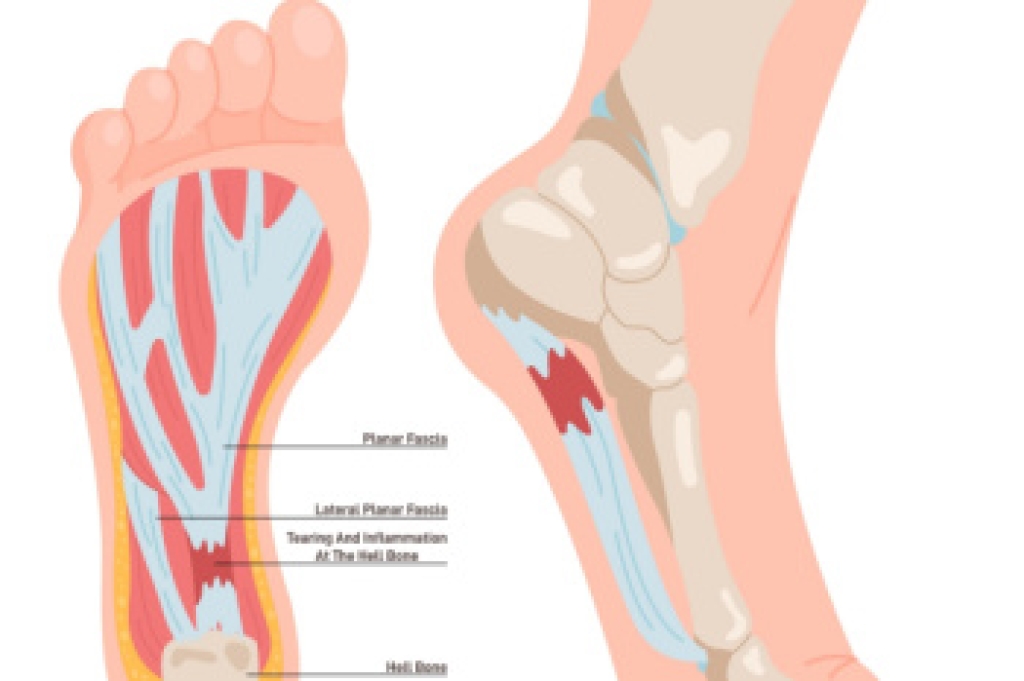
Plantar fasciitis involves inflammation of the plantar fascia, the thick band of tissue that supports the arch along the bottom of the foot. It develops when this tissue becomes overstretched or overused. Causes often include foot arch problems, running long distances, obesity, and a tight Achilles tendon that increases strain on the heel. Symptoms include sharp heel pain, especially with the first steps in the morning, along with stiffness and tenderness. Risk factors include repetitive activity, poor footwear, and limited flexibility. A podiatrist can evaluate the condition, recommend supportive shoes, stretching exercises, and other treatments to reduce discomfort. If you have heel pain, it is suggested that you consult a podiatrist who can accurately diagnose and treat plantar fasciitis. 

Plantar fasciitis is a common foot condition that is often caused by a strain injury. If you are experiencing heel pain or symptoms of plantar fasciitis, contact one of our podiatrists from Centers for Foot & Ankle Care. Our doctors can provide the care you need to keep you pain-free and on your feet.

What Is Plantar Fasciitis?

Plantar fasciitis is one of the most common causes of heel pain. The plantar fascia is a ligament that connects your heel to the front of your foot. When this ligament becomes inflamed, plantar fasciitis is the result. If you have plantar fasciitis you will have a stabbing pain that usually occurs with your first steps in the morning. As the day progresses and you walk around more, this pain will start to disappear, but it will return after long periods of standing or sitting.

What Causes Plantar Fasciitis?

  • Excessive running
  • Having high arches in your feet
  • Other foot issues such as flat feet
  • Pregnancy (due to the sudden weight gain)
  • Being on your feet very often

There are some risk factors that may make you more likely to develop plantar fasciitis compared to others. The condition most commonly affects adults between the ages of 40 and 60. It also tends to affect people who are obese because the extra pounds result in extra stress being placed on the plantar fascia.

Prevention

  • Take good care of your feet – Wear shoes that have good arch support and heel cushioning.
  • Maintain a healthy weight
  • If you are a runner, alternate running with other sports that won’t cause heel pain

There are a variety of treatment options available for plantar fasciitis along with the pain that accompanies it. Additionally, physical therapy is a very important component in the treatment process. It is important that you meet with your podiatrist to determine which treatment option is best for you.

If you have any questions, please feel free to contact one of our offices located in Merrillville, Portage, Michigan City/LaPorte, and Schererville, IN . We offer the newest diagnostic and treatment technologies for all your foot care needs.


Read more about Plantar Fasciitis

Do Your Child's Feet Hurt?

Have your child's feet been examined lately? Healthy feet are happy feet. If your child is complaining of foot pain, it may be a sign of underlying problems.

Connect With Us