Blog

Ingrown Toenail Treatment and Symptoms

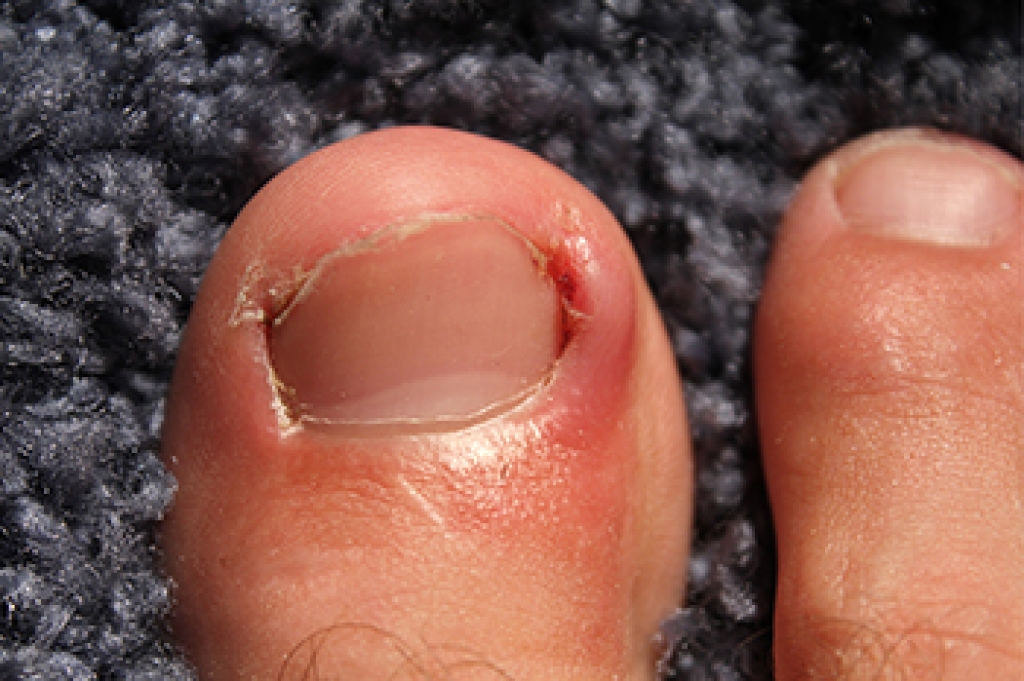
An ingrown toenail occurs when the edge of a toenail grows into the surrounding skin instead of over it. This condition most often affects the big toe and can become increasingly painful if left untreated. Common symptoms include redness, swelling, and tenderness along the edge of the nail. As the nail continues to press into the skin, the area may become inflamed and, in some cases, infected. Wearing shoes may become uncomfortable, and even simple activities like walking can cause significant pain. Several factors can contribute to ingrown toenails, including naturally curved nails, repeated pressure on the toes, and injuries to the toenail. Because symptoms often worsen, a professional evaluation is important to determine the most appropriate treatment and prevent complications.


Persistent irritation from an ingrown toenail can affect the surrounding skin and make movement more difficult. If the condition progresses, swelling may increase and the skin surrounding the nail may become more sensitive. People with diabetes, poor circulation, or reduced feeling in their feet may face a greater risk of serious complications because small wounds can heal slower. A comprehensive podiatry examination helps determine the severity of the ingrown toenail while identifying signs of infection or other foot conditions that may require attention. Early diagnosis allows treatment to begin before pain and inflammation become more severe or interfere with normal activities.


Professional podiatry care focuses on relieving pain, reducing inflammation, and correcting the problem based on each patient's individual needs. Treatment plans are tailored to the severity of the condition and may help lower the risk of future recurrence. Regular podiatry visits also allow foot health to be monitored and concerns to be addressed before complications develop. If you have persistent toe pain, swelling, or symptoms of an ingrown toenail, it is suggested that you consult a podiatrist for an evaluation and appropriate treatment options.

Ingrown toenails can become painful if they are not treated properly. For more information about ingrown toenails, contact one of our podiatrists of Centers for Foot & Ankle Care. Our doctors can provide the care you need to keep you pain-free and on your feet.

Ingrown Toenails

Ingrown toenails occur when a toenail grows sideways into the bed of the nail, causing pain, swelling, and possibly infection.

Causes

  • Bacterial infections
  • Improper nail cutting such as cutting it too short or not straight across
  • Trauma to the toe, such as stubbing, which causes the nail to grow back irregularly
  • Ill-fitting shoes that bunch the toes too close together
  • Genetic predisposition

Prevention

Wearing proper fitting shoes and using proper cutting techniques will also help decrease your risk of developing ingrown toenails.

Treatment

Ingrown toenails are a very treatable foot condition. In minor cases, soaking the affected area in salt or antibacterial soaps will not only help with the ingrown nail itself, but also help prevent any infections from occurring. In more severe cases, surgery is an option. In either case, speaking to your podiatrist about this condition will help you get a better understanding of specific treatment options that are right for you.

If you have any questions, please feel free to contact one of our offices located in Merrillville, Portage, Michigan City/LaPorte, and Schererville, IN . We offer the newest diagnostic and treatment technologies for all your foot care needs.
Read more about Ingrown Toenail Care

Podiatrists Help Stop the Spread of Athlete’s Foot Infections

Athlete’s foot is a fungal infection that usually begins between the toes. The fungus thrives in warm, dark, and damp areas. Symptoms include itching, burning, and peeling skin. The affected area can also become red, scaly, or cracked. Small blisters sometimes develop, and the skin between the toes can appear white and soggy. Without proper treatment, the infection can spread across the foot or reach the toenails. It can also pass to other people through contact with infected skin, shared items, or contaminated floors.

Risk rises when feet remain sweaty inside shoes for long periods. Walking barefoot in shared showers, gyms, or locker rooms also increases exposure. Sharing socks, towels, or shoes can spread the fungus. People with diabetes or a weakened immune system face a greater risk of complications. Cracked skin can allow bacteria to enter and cause a more serious infection. Warning signs include increasing redness, warmth, and swelling. Pain, drainage, or a fever also deserves prompt medical attention. Keeping the feet clean and dry can lower the risk of infection. Patients should change socks regularly and allow shoes to dry before wearing them again. Protective sandals can reduce contact with contaminated floors in shared facilities.

A podiatrist can examine the affected skin and determine whether the problem is athlete’s foot or another condition with similar symptoms. Skin conditions like eczema can resemble a fungal infection, so an accurate diagnosis matters. The podiatrist can create a treatment plan based on the infection’s location and severity. Care can also address infected toenails, damaged skin, or signs of a bacterial infection. Patients with diabetes benefit from prompt evaluation because even a small crack can develop into a serious foot problem. A podiatrist can also explain how to reduce moisture, select breathable shoes, and prevent the infection from returning or spreading. If you have symptoms of athlete's foot, it is suggested that you schedule an appointment with a podiatrist for a diagnosis and appropriate treatment.

Athlete’s Foot

Athlete’s foot is often an uncomfortable condition to experience. Thankfully, podiatrists specialize in treating athlete’s foot and offer the best treatment options. If you have any questions about athlete’s foot, consult with one of our podiatrists from Centers for Foot & Ankle Care. Our doctors will assess your condition and provide you with quality treatment.

What Is Athlete’s Foot?

Tinea pedis, more commonly known as athlete’s foot, is a non-serious and common fungal infection of the foot. Athlete’s foot is contagious and can be contracted by touching someone who has it or infected surfaces. The most common places contaminated by it are public showers, locker rooms, and swimming pools. Once contracted, it grows on feet that are left inside moist, dark, and warm shoes and socks.

Prevention

The most effective ways to prevent athlete’s foot include:

  • Thoroughly washing and drying feet
  • Avoid going barefoot in locker rooms and public showers
  • Using shower shoes in public showers
  • Wearing socks that allow the feet to breathe
  • Changing socks and shoes frequently if you sweat a lot

Symptoms

Athlete’s foot initially occurs as a rash between the toes. However, if left undiagnosed, it can spread to the sides and bottom of the feet, toenails, and if touched by hand, the hands themselves. Symptoms include:

  • Redness
  • Burning
  • Itching
  • Scaly and peeling skin

Diagnosis and Treatment

Diagnosis is quick and easy. Skin samples will be taken and either viewed under a microscope or sent to a lab for testing. Sometimes, a podiatrist can diagnose it based on simply looking at it. Once confirmed, treatment options include oral and topical antifungal medications.

If you have any questions, please feel free to contact one of our offices located in Merrillville, Portage, Michigan City/LaPorte, and Schererville, IN . We offer the newest diagnostic and treatment technologies for all your foot care needs.

Read more about Athlete's Foot

Diabetic Neuropathy Puts Foot Health at Risk

Diabetic neuropathy develops when high blood sugar damages nerves, especially those that reach the feet. Symptoms include numbness, tingling, and burning pain. Some patients also notice sharp pain or unusual sensitivity to light pressure. Others lose enough feeling that they do not notice a blister, cut, or sore. This loss of protective sensation raises the risk of infection and slow-healing wounds. Muscle weakness can also change the way the feet move and place extra pressure on certain areas. Although symptoms can affect one foot more than the other, they frequently appear in both feet and become more noticeable at night.

A podiatrist can check for diabetic neuropathy through a detailed health history and a foot examination. The examination looks at the skin, nails, and shape of each foot. It also checks circulation, muscle strength, and reflexes. A thin nylon tool called a monofilament tests whether the patient can feel gentle pressure. A tuning fork can help measure the ability to sense vibration. These simple tests show whether protective feeling has decreased and whether a wound is more likely to develop. The podiatrist also looks for calluses, pressure points, and open sores that could become serious without prompt treatment.

Podiatric care focuses on protecting the feet and lowering the chance of complications. A podiatrist can trim thick or difficult nails, treat corns, and reduce heavy calluses safely. Regular examinations allow small skin changes or wounds to be identified before they become harder to manage. The podiatrist can provide properly fitted diabetic shoes or custom orthotics to reduce pressure and improve stability. Wounds can be cleaned, protected, and monitored for signs of infection. When circulation problems or severe nerve changes are suspected, the podiatrist can coordinate further testing with the patient’s diabetes-care team. If you have foot problems related to diabetes, it is suggested that you are under the care of a podiatrist who can help you to manage this serious condition.

Diabetic foot care is important in preventing foot ailments such as ulcers. If you are suffering from diabetes or have any other concerns about your feet, contact one of our podiatrists from Centers for Foot & Ankle Care. Our doctors can provide the care you need to keep you pain-free and on your feet.

Diabetic Foot Care

Diabetes affects millions of people every year. The condition can damage blood vessels in many parts of the body, especially the feet. Because of this, taking care of your feet is essential if you have diabetes, and having a podiatrist help monitor your foot health is highly recommended.

The Importance of Caring for Your Feet

  • Routinely inspect your feet for bruises or sores.
  • Wear socks that fit your feet comfortably.
  • Wear comfortable shoes that provide adequate support.

Patients with diabetes should have their doctor monitor their blood levels, as blood sugar levels play such a huge role in diabetic care. Monitoring these levels on a regular basis is highly advised.

It is always best to inform your healthcare professional of any concerns you may have regarding your feet, especially for diabetic patients. Early treatment and routine foot examinations are keys to maintaining proper health, especially because severe complications can arise if proper treatment is not applied.

If you have any questions, please feel free to contact one of our offices located in Merrillville, Portage, Michigan City/LaPorte, and Schererville, IN . We offer the newest diagnostic and treatment technologies for all your foot care needs.

Read more about Diabetic Foot Care

Are You Suffering From Ingrown Toenails?

If left untreated, an ingrown toenail can lead to more serious concerns, such as an infection. Knowing proper nail care can help in the prevention of an ingrown toenail. Give us a call, and get treated!

How a Podiatrist Can Help Manage Arthritis in the Feet

Arthritis can affect the feet by causing pain, stiffness, and reduced mobility in the joints. Because each foot contains many joints that support standing and walking, arthritis can make everyday movement more difficult. The condition may affect the toes, the middle of the foot, or the ankle, depending on the type of arthritis involved. Common symptoms include aching, swelling, and tenderness. Some people also notice joint stiffness, especially after periods of rest. As arthritis progresses, it may become harder to walk comfortably or participate in normal daily activities. Since several forms of arthritis can affect the feet, a professional evaluation is important to determine the underlying cause and recommend the most appropriate treatment.


Arthritis may gradually change the structure and function of the foot over time. Inflammation within the joints can reduce flexibility and make movement uncomfortable. As the joints become less stable, changes in the way a person walks may place added stress on other areas of the foot. This may also affect the ankles, knees, and hips. A thorough examination helps identify which joints are involved and how arthritis is affecting foot function. Understanding the source of symptoms allows a podiatrist to develop a treatment plan that supports better mobility and long-term foot health.


A podiatrist plays an important role in managing arthritic foot pain by evaluating joint function and identifying changes that may be contributing to discomfort. Treatment is tailored to each patient's condition and may focus on improving mobility, reducing joint stress, and preserving foot function. Early podiatry care can also help address changes before they become more severe or interfere with daily activities. Regular monitoring allows treatment to be adjusted as symptoms change over time. If arthritis pain or stiffness is affecting your feet or limiting your mobility, it is suggested that you consult a podiatrist for an evaluation and appropriate treatment options.

Arthritis can be a difficult condition to live with. If you are seeking treatment, contact one of our podiatrists from Centers for Foot & Ankle Care. Our doctors can provide the care you need to keep you pain-free and on your feet.

Arthritic Foot Care  

Arthritis is a joint disorder that involves the inflammation of different joints in your body, such as those in your feet. Arthritis is often caused by a degenerative joint disease and causes mild to severe pain in all affected areas. In addition to this, swelling and stiffness in the affected joints can also be a common symptom of arthritis.

In many cases, wearing ill-fitting shoes can worsen the effects and pain of arthritis. Wearing shoes that have a lower heel and extra room can help your feet feel more comfortable. In cases of rheumatoid arthritis, the arch in your foot may become problematic. Buying shoes with proper arch support that contour to your feet can help immensely.

Alleviating Arthritic Pain

  • Exercises that stretch the foot can prevent further pain and injury and increase mobility
  • Most of the pain can be alleviated with anti-inflammatory drugs, heat, and topical medications
  • Massages can help temporarily alleviate pain.

It is best to see your doctor for the treatment that is right for your needs and symptoms. Conditions vary, and a podiatrist can help you determine the right method of care for your feet.

If you have any questions please feel free to contact one of our offices located in Merrillville, Portage, Michigan City/LaPorte, and Schererville, IN . We offer the newest diagnostic tools and technology to treat your foot and ankle needs.

Read more about Arthritic Foot Care

Connect With Us