Blog

Heel Pain May Indicate Plantar Fasciitis

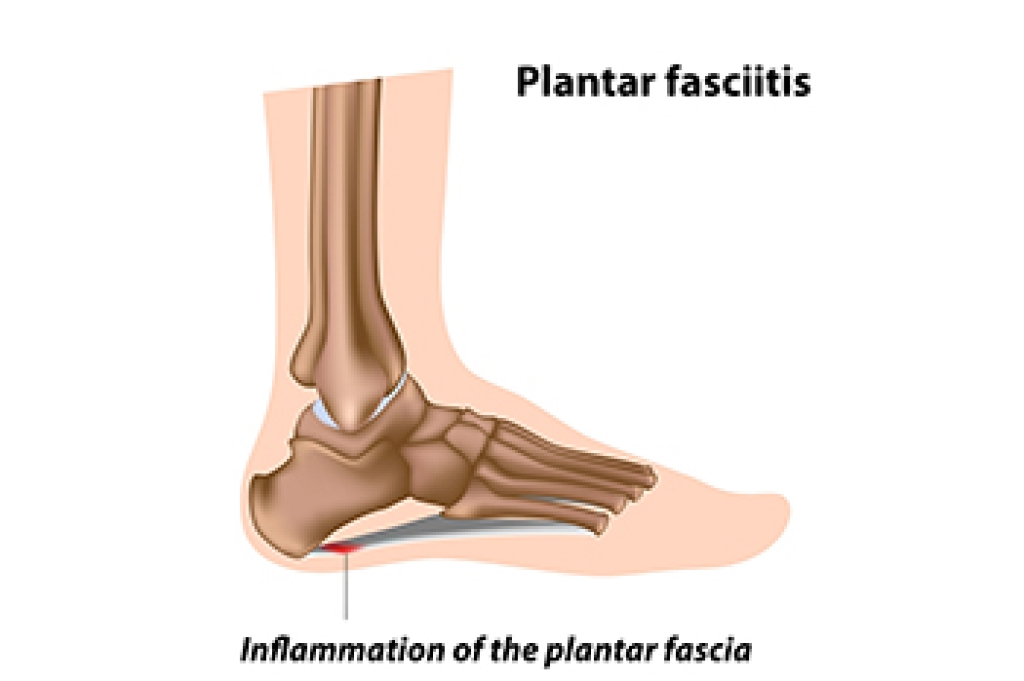
Plantar fasciitis is one of the common causes of heel pain. It develops when the plantar fascia, a band of tissue along the foot, becomes irritated or damaged. This tissue connects the heel bone to the base of the toes and helps support the arch. It also acts like a shock absorber during walking and running. When the plantar fascia is repeatedly stressed, areas can develop inflammation and tissue changes. Pain is often strongest with the first steps after waking, or after sitting for a while.

Several factors can increase the risk of plantar fasciitis. Running, walking, or standing for long periods can place repeated stress on the plantar fascia. Wearing unsupportive shoes may also increase strain on the foot. Other risk factors include tight calf muscles, a high arch, and sudden increases in activity. Age can play a role as well, since the plantar fascia can become less flexible over time. Additionally, a change in activity level or training surface may also trigger symptoms.

The main symptom is usually a sharp or aching pain near the bottom of the heel. Discomfort may improve after moving around but return after prolonged activity or rest. A podiatrist will review your symptoms and examine your foot, ankle, and walking pattern. Imaging tests may be recommended when another condition needs to be ruled out. Treatment options include activity changes, wearing supportive footwear, and other measures based on your needs. More persistent cases may require additional treatment options.

Understanding plantar fasciitis can help you recognize symptoms before heel pain interferes with daily activities. A podiatrist can identify contributing factors and create a treatment plan that supports healing and comfortable movement. If you have heel pain, it is suggested that you consult a podiatrist who can accurately diagnose and treat plantar fasciitis.

Plantar fasciitis can be very painful and inconvenient. If you are experiencing heel pain or symptoms of plantar fasciitis, contact one of our podiatrists  from Centers for Foot & Ankle Care. Our doctors can provide the care you need to keep you pain-free and on your feet.

What Is Plantar Fasciitis?

Plantar fasciitis is the inflammation of the thick band of tissue that runs along the bottom of your foot, known as the plantar fascia, and causes mild to severe heel pain.

What Causes Plantar Fasciitis?

  • Excessive running
  • Non-supportive shoes
  • Overpronation
  • Repeated stretching and tearing of the plantar fascia

How Can It Be Treated?

  • Conservative measures – anti-inflammatories, ice packs, stretching exercises, physical therapy, orthotic devices
  • Shockwave therapy – sound waves are sent to the affected area to facilitate healing and are usually used for chronic cases of plantar fasciitis
  • Surgery – usually only used as a last resort when all else fails. The plantar fascia can be surgically detached from the heel

While very treatable, plantar fasciitis is definitely not something that should be ignored. Especially in severe cases, speaking to your doctor right away is highly recommended to avoid complications and severe heel pain. Your podiatrist can work with you to provide the appropriate treatment options tailored to your condition.

If you have any questions, please feel free to contact one of our offices located in Merrillville, Portage, Michigan City/LaPorte, and Schererville, IN . We offer the newest diagnostic and treatment technologies for all your foot care needs.

Read more about Plantar Fasciitis

Are Your Child’s Shoes Comfortable?

Foot pain in children can happen for many reasons, including activity, injury, or an underlying foot problem. Common symptoms are aching, tenderness, or pain after sports. Children may also complain that their feet feel tired or hurt while walking. Foot pain can affect the heel, arch, or ankle, depending on the cause.

Several types of foot pain can affect children. Blisters and pressure spots may develop when shoes rub the skin. Sprains can happen during play. Flat feet, heel pain, and problems with foot alignment may also cause discomfort. Risk factors include high activity levels, previous injuries, and structural differences. Children may not always explain pain clearly, so parents should watch for changes in walking, frequent shoe removal, or avoiding activities.

Proper footwear can help protect growing feet during everyday activities. Shoes should provide enough room for toes without allowing the foot to slide inside. A supportive heel counter can improve stability, while flexible materials allow comfortable movement. Good cushioning can reduce pressure during walking and sports. Children often react quickly when shoes feel uncomfortable. They may complain, remove their shoes, or refuse to wear them. Parents should take these reactions seriously and check for tight areas, rubbing, or worn-out soles.

When foot pain continues, a podiatrist can examine the child's feet, walking pattern, and footwear. The evaluation may include checking alignment, range of motion, and signs of injury. Treatment depends on the cause and may include activity changes, supportive shoes, or care for an injury. A podiatrist can also recommend footwear and monitor healing. If your child has foot pain, it is suggested that you consult a podiatrist for effective relief tips, and additional guidance on how to know if your child’s shoes are comfortable.

The health of a child’s feet is vital to their overall well-being. If you have any questions regarding foot health, contact one of our podiatrists of Centers for Foot & Ankle Care. Our doctors can provide the care you need to keep you pain-free and on your feet.

Tips for Keeping Children's Feet Healthy

  • Make sure their shoes fit properly
  • Look for any signs of in-toeing or out-toeing
  • Check to see if they have Clubfoot (condition that affects your child’s foot and ankle, twisting the heel and toes inward) which is one of the most common nonmajor birth defects.
  • Lightly cover your baby’s feet (Tight covers may keep your baby from moving their feet freely, and could prevent normal development)
  • Allow your toddler to go shoeless (Shoes can be restricting for a young child’s foot)
  • Cut toenails straight across to avoid ingrown toenails
  • Keep your child’s foot clean and dry
  • Cover cuts and scrapes. Wash any scratches with soap and water and cover them with a bandage until they’ve healed.

If you have any questions, please feel free to contact one of our offices located in Merrillville, Portage, Michigan City/LaPorte, and Schererville, IN . We offer the newest diagnostic and treatment technologies for all your foot care needs.
Read more about How to Care for Your Child's Feet

What Causes Ankle Instability?

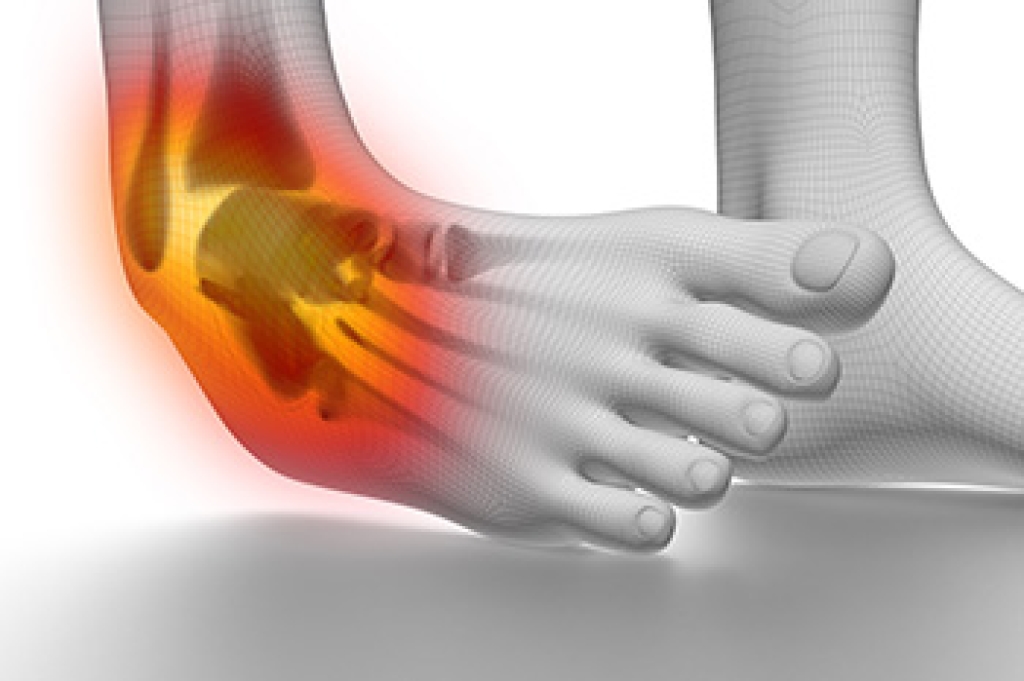
Ankle instability occurs when the ankle repeatedly feels weak or unsteady during movement. It often develops after an ankle sprain that did not fully heal. Damaged or stretched ligaments may struggle to keep the joint stable. Common symptoms include ankle pain, weakness, and a feeling that the ankle may give way. Some people notice instability when walking on uneven ground, while others experience discomfort after exercise. Repeated episodes can make everyday movement less comfortable.

Several factors can increase the risk of chronic ankle instability. Previous ankle sprains are among the most common causes. Repeated injuries can weaken supporting ligaments and reduce joint stability. Sports involving running, jumping, or quick direction changes can increase ankle stress. Poorly supportive footwear may contribute to instability. Muscle weakness around the ankle can make balance difficult. Certain foot alignment concerns may change weight distribution, and walking on uneven surfaces can also increase risk.

A podiatrist starts by reviewing your symptoms, injury history, and previous treatments. An examination can assess ankle strength, balance, and ligament stability. X-rays may help rule out fractures or other bone problems and additional imaging tests may be recommended when ligament damage is suspected. Treatment focuses on improving stability while reducing pain. A podiatrist may recommend supportive shoes, ankle bracing, or activity changes. Targeted exercises may improve strength and balance.

Ankle instability can interfere with walking, exercise, and confidence. Persistent pain or weakness should not be ignored, especially when your ankle repeatedly gives way. Evaluation can help identify the problem and reduce the risk of injuries. A podiatrist can develop a treatment plan based on your symptoms and ankle condition. Early treatment may help restore stability. If you are experiencing ankle instability, it is suggested that you consult a podiatrist for an accurate diagnosis and appropriate treatment.

Ankle pain can be caused by a number of problems and may be potentially serious. If you have ankle pain, consult with one of our podiatrists from Centers for Foot & Ankle Care. Our doctors will assess your condition and provide you with quality foot and ankle treatment.

Ankle pain is any condition that causes pain in the ankle. Due to the fact that the ankle consists of tendons, muscles, bones, and ligaments, ankle pain can come from a number of different conditions.

Causes

The most common causes of ankle pain include:

  • Types of arthritis (rheumatoid, osteoarthritis, and gout)
  • Ankle sprains
  • Broken ankles
  • Achilles tendonitis
  • Achilles tendon rupture
  • Stress fractures
  • Bursitis
  • Tarsal tunnel syndrome
  • Plantar fasciitis

Symptoms

Symptoms of ankle injury vary based upon the condition. Pain may include general pain and discomfort, swelling, aching, redness, bruising, burning or stabbing sensations, and/or loss of sensation.

Diagnosis

Due to the wide variety of potential causes of ankle pain, podiatrists will utilize a number of different methods to properly diagnose ankle pain. This can include asking for personal and family medical histories and of any recent injuries. Further diagnosis may include sensation tests, a physical examination, and potentially x-rays or other imaging tests.

Treatment

Just as the range of causes varies widely, so do treatments. Some more common treatments are rest, ice packs, keeping pressure off the foot, orthotics and braces, medication for inflammation and pain, and surgery.

If you have any questions please feel free to contact one of our offices located in Merrillville, Portage, Michigan City/LaPorte, and Schererville, IN . We offer the newest diagnostic tools and technology to treat your foot and ankle needs.

Read more about Ankle Pain

How to Deal With Recurring Blisters

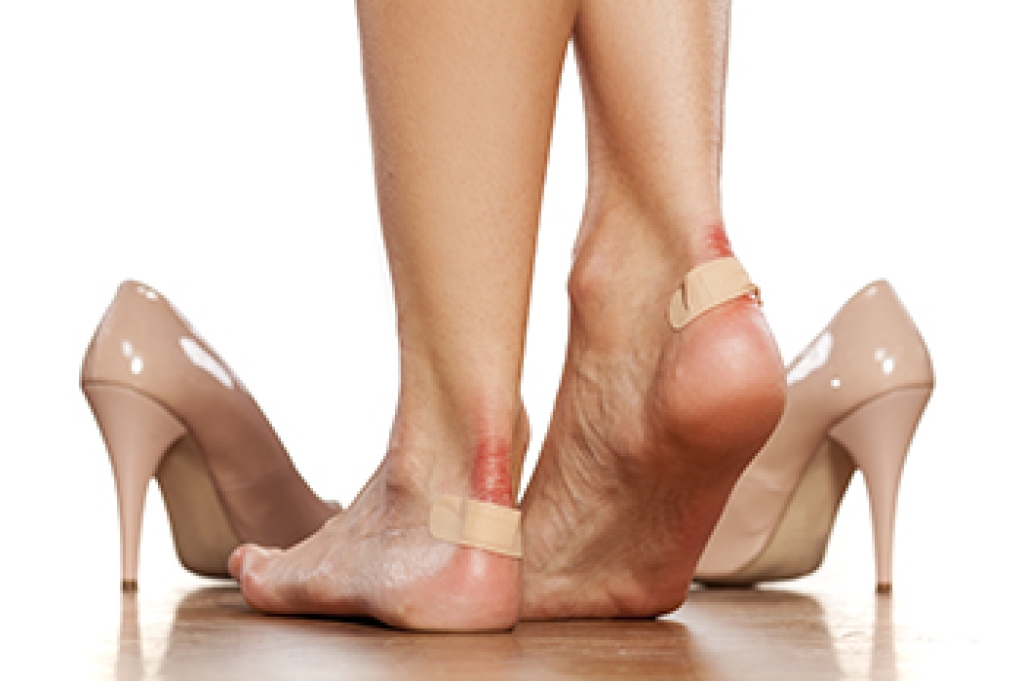
Blisters are raised pockets of skin filled with clear fluid, blood, or pus. On the feet, friction blisters can develop when repeated rubbing or pressure irritates the skin. Wearing shoes that fit too tightly can create this friction, especially around the toes or heels. A blood blister forms in a similar way, but damaged blood vessels cause blood to collect inside the raised skin. Foot blisters can make standing and walking uncomfortable, especially when the irritated area continues rubbing against a shoe. This discomfort can also change the way a person walks.

The skin covering a blister serves as a natural barrier against germs. Breaking that layer can increase the chance of infection and can slow healing. A blister that opens can become more vulnerable to bacteria. Warning signs of infection include pus, swelling, and skin that feels warm. Increased pain or a foul smell can also signal a problem. Fever blisters are different from friction blisters because they are caused by a virus and can spread to other people. They should not be popped because opening them can spread the virus.

A podiatrist can evaluate how foot mechanics contribute to repeated friction and pressure. The examination can assess foot movement, ankle function, and walking patterns. A podiatrist can also look at whether joint restrictions or changes in movement are placing extra pressure on certain parts of the foot. Podiatric care can focus on improving movement and reducing mechanical stress that contributes to recurring irritation. Treatment can include gentle joint mobilization and guided exercises based on the examination findings. A podiatrist can also discuss shoe fit when repeated rubbing appears connected to symptoms. If you have recurring foot blisters, it is suggested that you schedule an appointment with a podiatrist for effective relief and prevention tips.

Blisters are prone to making everyday activities extremely uncomfortable. If your feet are hurting, contact one of our podiatrists of Centers for Foot & Ankle Care. Our doctors can provide the care you need to keep you pain-free and on your feet.

Foot Blisters

Foot blisters develop as a result of constantly wearing tight or ill-fitting footwear. This happens due to the constant rubbing from the shoe, which can often lead to pain.

What Are Foot Blisters?

A foot blister is a small fluid-filled pocket that forms on the upper-most layer of the skin. Blisters are filled with clear fluid and can lead to blood drainage or pus if the area becomes infected.

How Do Blisters Form?

Blisters on the feet are often the result of constant friction of skin and material, usually by shoe rubbing. Walking in sandals, boots, or shoes that don’t fit properly for long periods of time can result in a blister. Having consistent foot moisture and humidity can easily lead to blister formation.

Prevention & Treatment

It is important to properly care for the affected area in order to prevent infection and ease the pain. Do not lance the blister and use a Band-Aid to provide pain relief. Also, be sure to keep your feet dry and wear proper fitting shoes. If you see blood or pus in a blister, seek assistance from a podiatrist.

If you have any questions, please feel free to contact one of our offices located in Merrillville, Portage, Michigan City/LaPorte, and Schererville, IN . We offer the newest diagnostic and treatment technologies for all your foot care needs.

Read more about Blisters

Gout Pain Can Be Managed

Gout is a painful, inflammatory form of arthritis. Those affected will typically feel an intense stiffness in the joints of their feet, particularly in the big toe. Schedule a visit to learn about how gout can be managed and treated.

Connect With Us