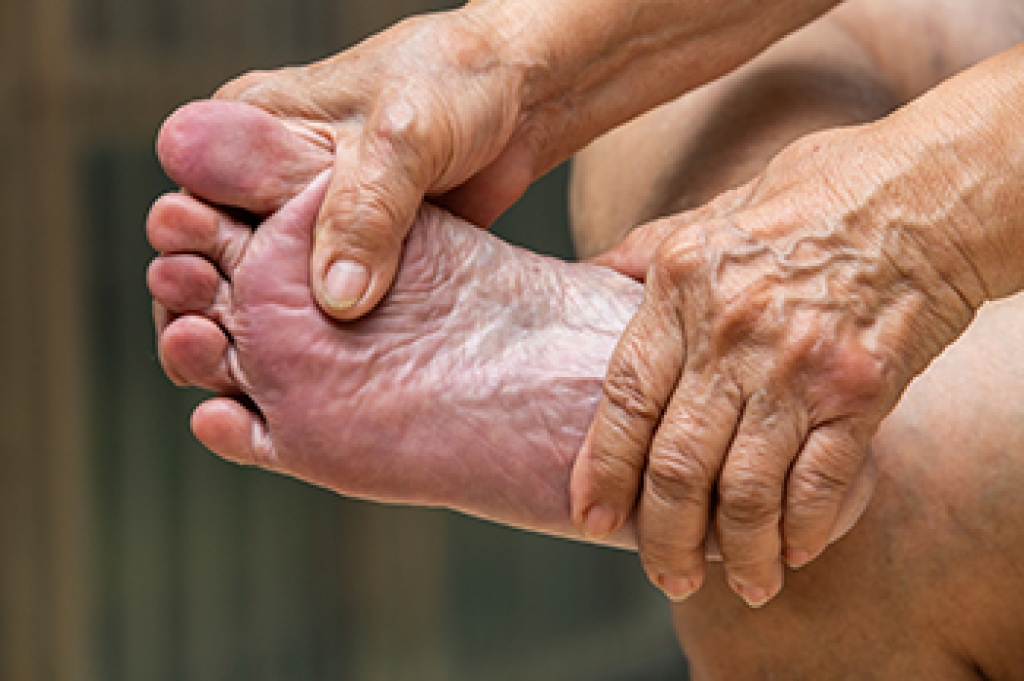
Foot problems in older adults are common due to natural aging changes, reduced circulation, and long-term wear on joints and soft tissues. These conditions can affect mobility, balance, and overall independence. Arthritis is one of the most frequent concerns, and is defined as inflammation within the joints that leads to pain and stiffness. Bunions are structural deformities where the big toe shifts toward the second toe, creating a bony bump at the base. Hammertoes occur when the smaller toes bend abnormally at the joints. Diabetes-related foot complications involve nerve damage and poor circulation that increase the risk of wounds and infection.
Symptoms vary depending on the condition, but often include pain, swelling, stiffness, and visible changes in foot shape. Individuals with arthritis may notice joint tenderness and limited motion. Bunions can cause redness and irritation, especially when wearing tight shoes. Hammertoes may lead to corns and pressure points. Diabetes-related conditions can present with numbness, tingling, or slow-healing wounds. These symptoms can worsen without proper care and lead to reduced mobility.
Risk factors for these foot problems include advancing age, decreased bone density, and long-term joint stress. Wearing poor footwear, lack of physical activity, and chronic medical conditions such as diabetes can also contribute. Circulatory issues and nerve damage can further increase complications, especially in individuals with diabetes. Over time, these factors place added strain on the feet and increase the likelihood of deformity and injury.
Managing foot health in older adults involves early detection and proper support. Wearing well-fitted shoes with adequate cushioning can reduce pressure and improve comfort. Regular foot checks are important for identifying changes before they become severe. Treatment may include orthotics, activity modification, and medical care. If you have foot problems related to age, it is suggested that you consult a podiatrist for effective relief, treatment, and management solutions.
If you need your feet checked, contact one of our podiatrists of Centers for Foot & Ankle Care. Our doctors will attend to all of your foot and ankle needs and provide you with quality treatment.
Geriatrics and Podiatry
When people age, some common issues that may occur are bone density loss, dry skin, poor circulation, and rough brittle nails. These issues may also affect your foot health if the necessary steps are not taken to alleviate the problems.
It is important to take care of your feet because feet that are injured or diseased can affect your overall health. Having painful feet hinders your ability to do daily activities or may decrease your willingness to do the things that you need to do.
Visiting Your Geriatrician
As we age, health problems become more likely, so it is essential to visit your doctor for check-ups to ensure that you are doing the best you can to take care of your health. It is recommended to check your feet frequently for any possible cuts, bruises, swelling, corns or any other irregularities.
Taking Care of Elderly Feet
Cracked or dry feet can be treated by applying moisturizer often. It is also important not to wear old socks because the older the sock is, the higher the possibility there will be that there is bacteria there. Wear fresh socks and make sure they fit properly.
Proper foot health means that you can have a more active lifestyle and you will not be bogged down by pain. Foot health also leads to good circulation, which is paramount for overall health.
If you have any questions, please feel free to contact one of our offices located in Merrillville, Portage, Michigan City/LaPorte, and Schererville, IN . We offer the newest diagnostic and treatment technologies for all your foot care needs.
